

15 products








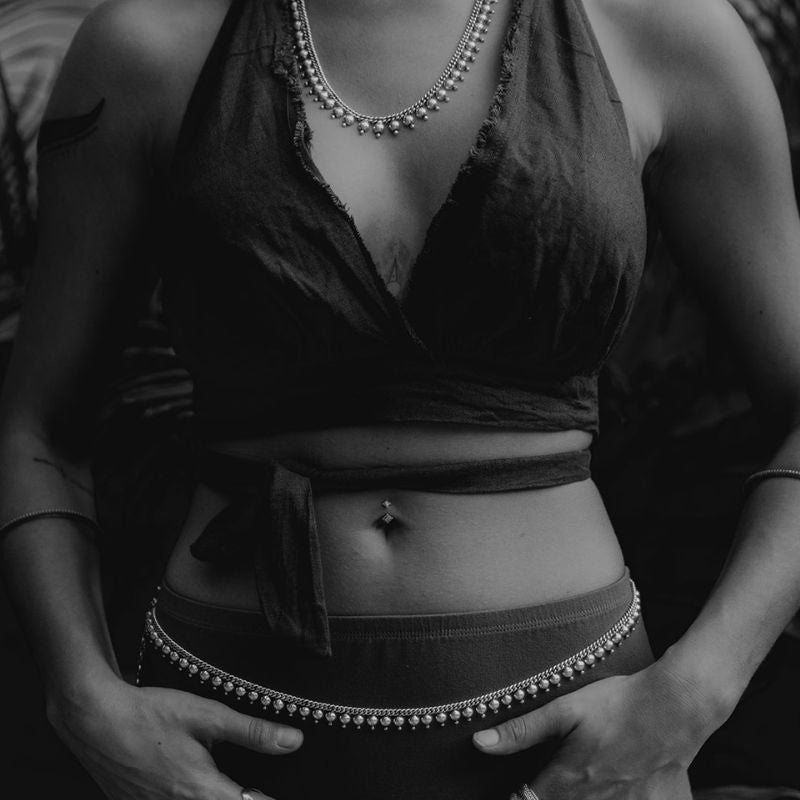
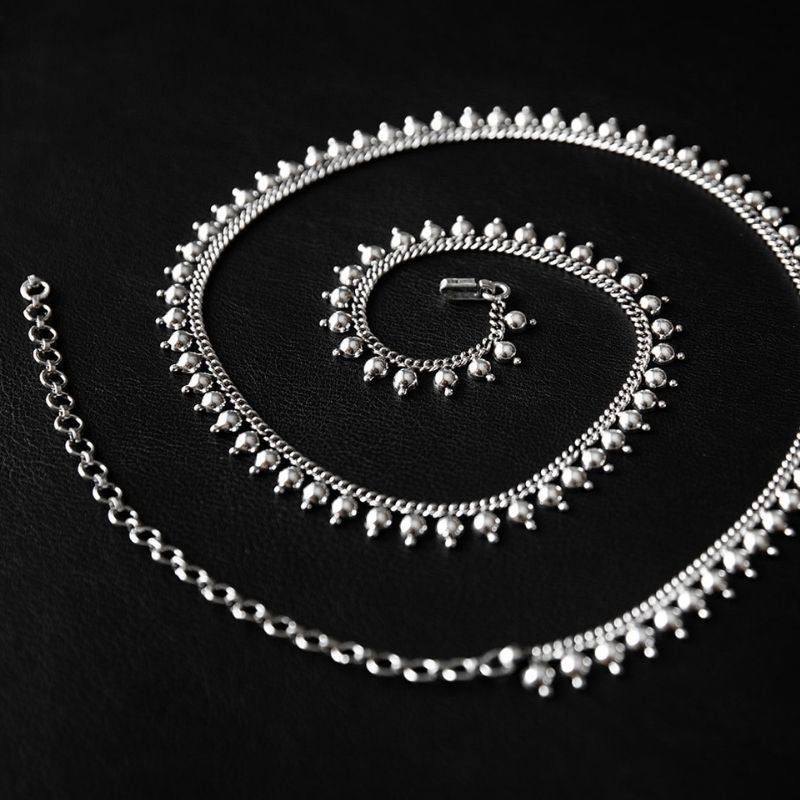
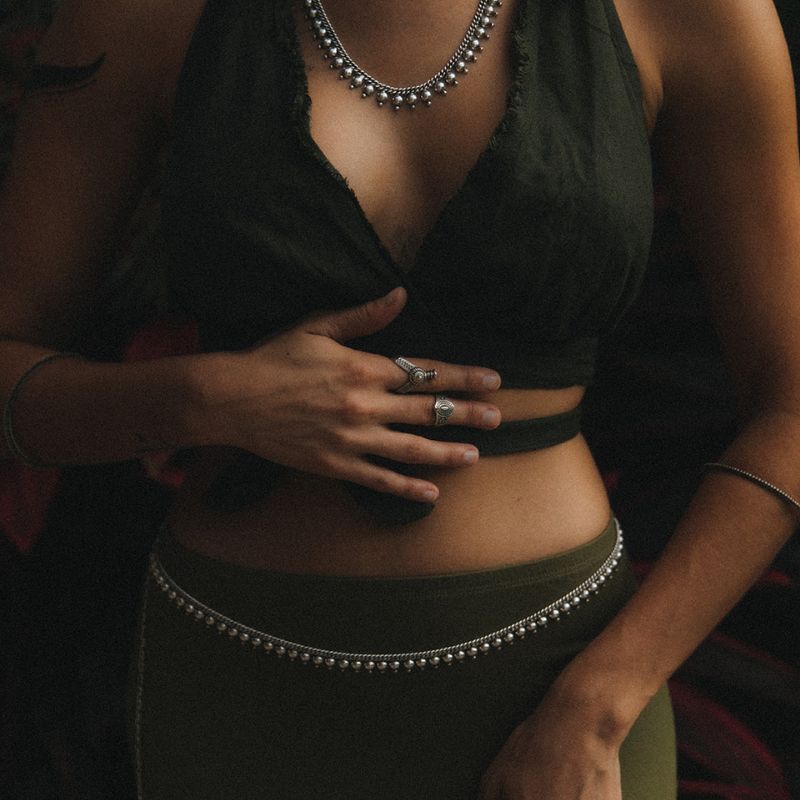

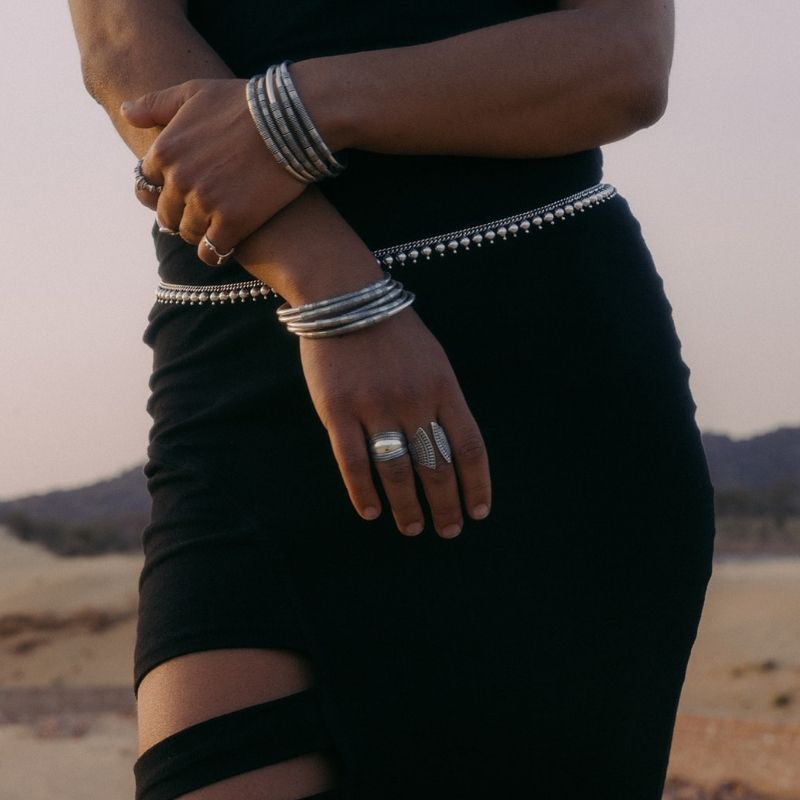


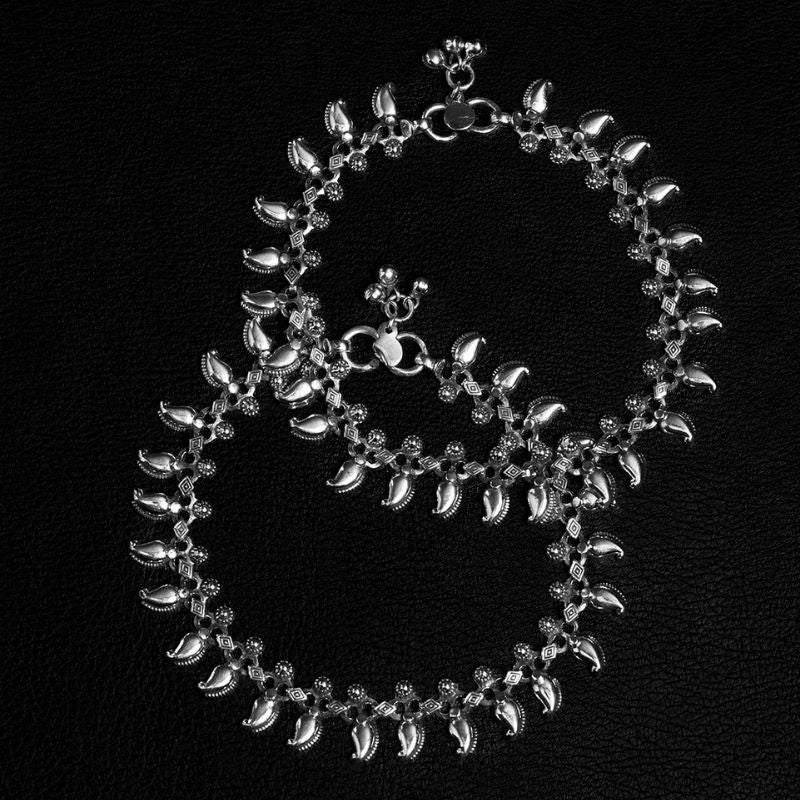
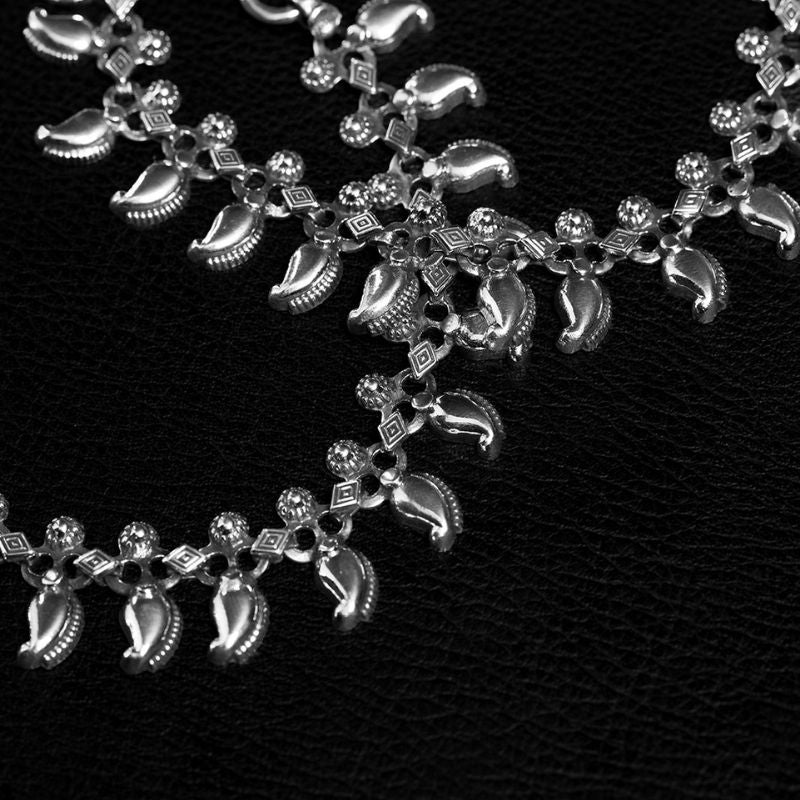
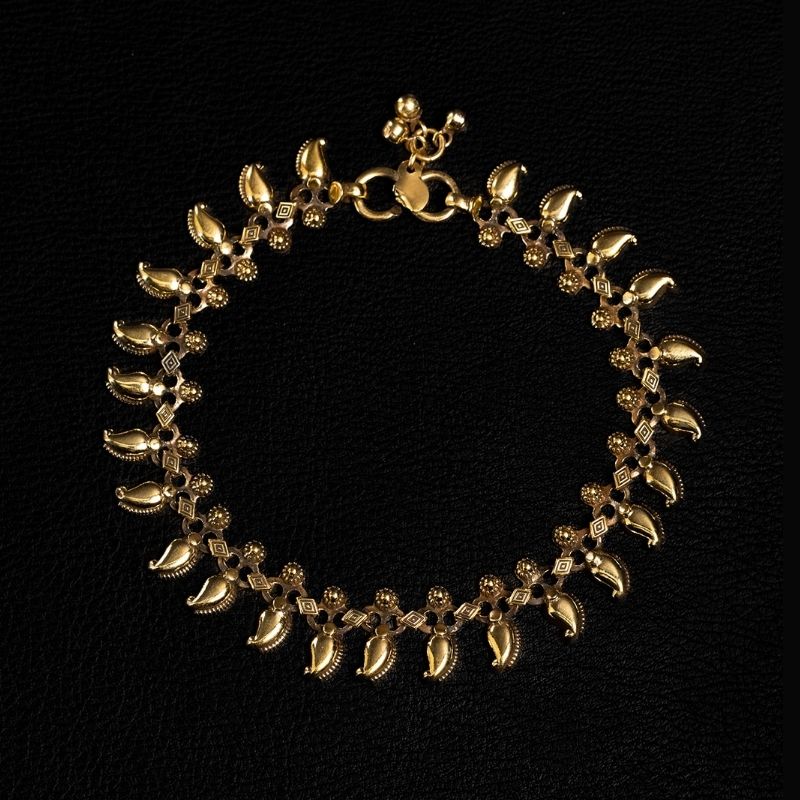
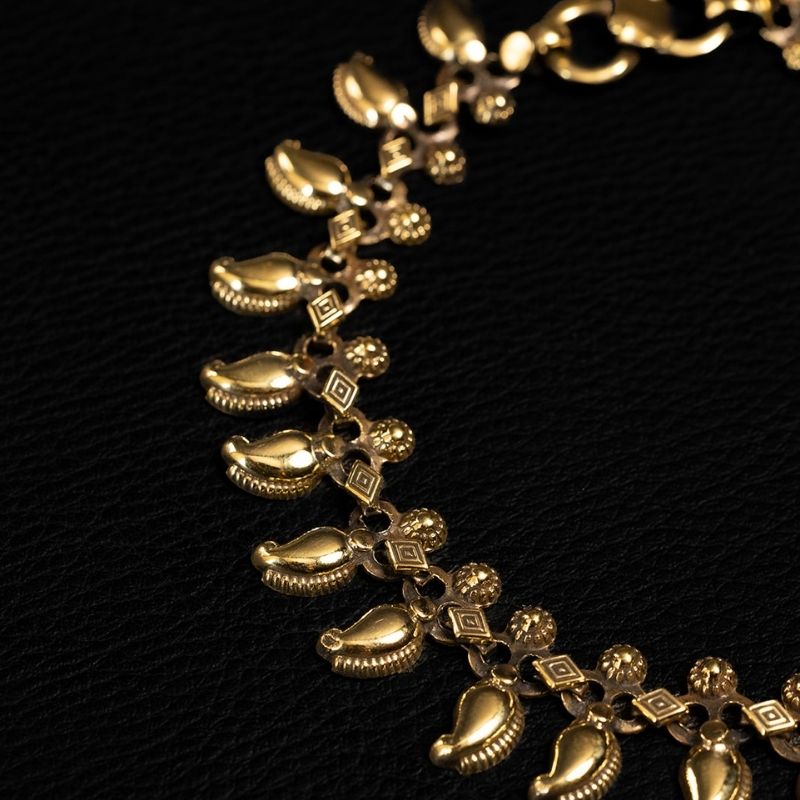

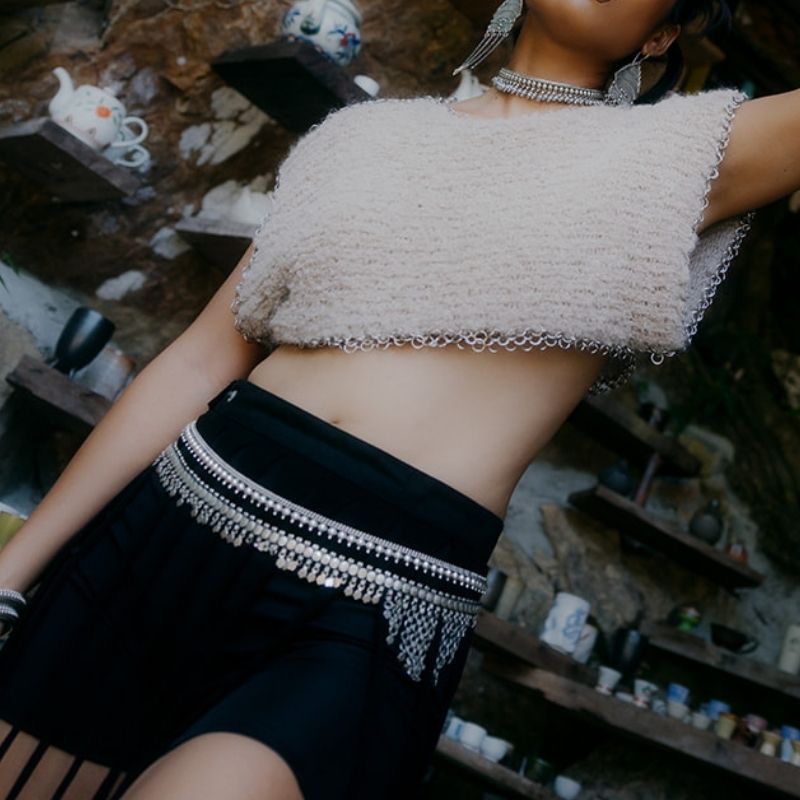




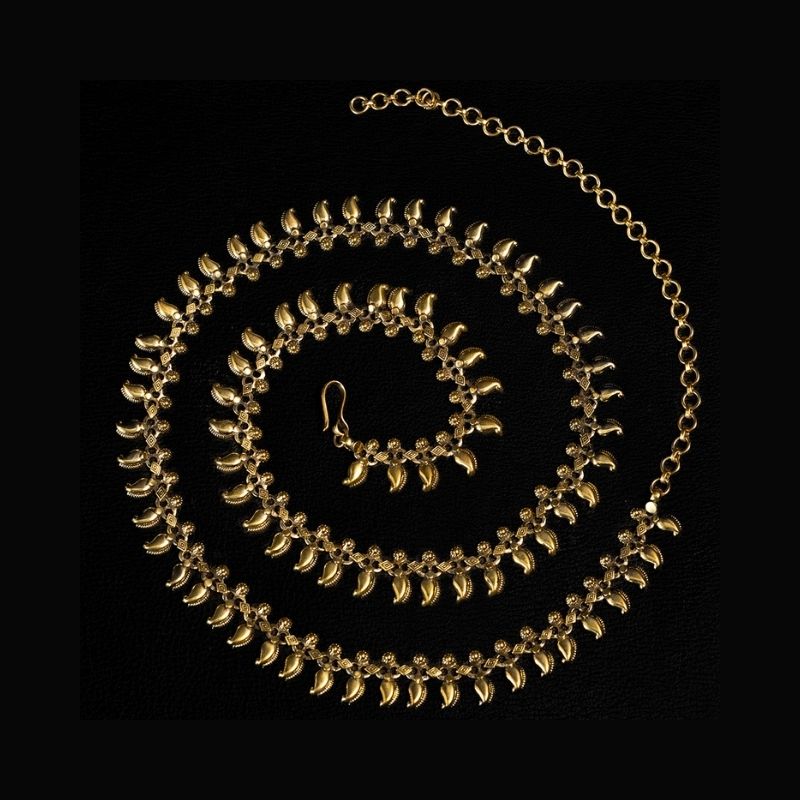
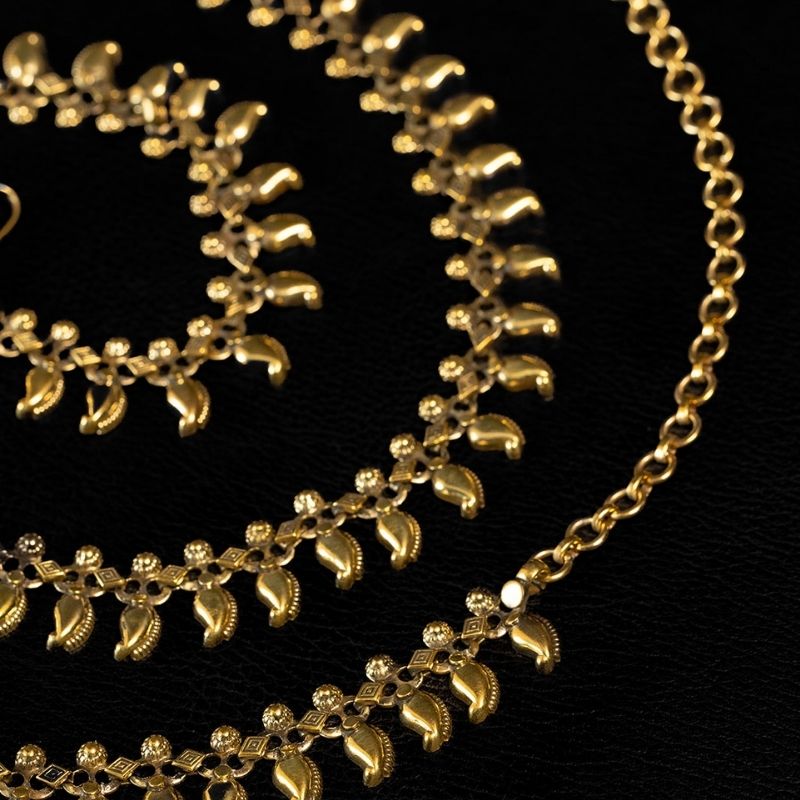
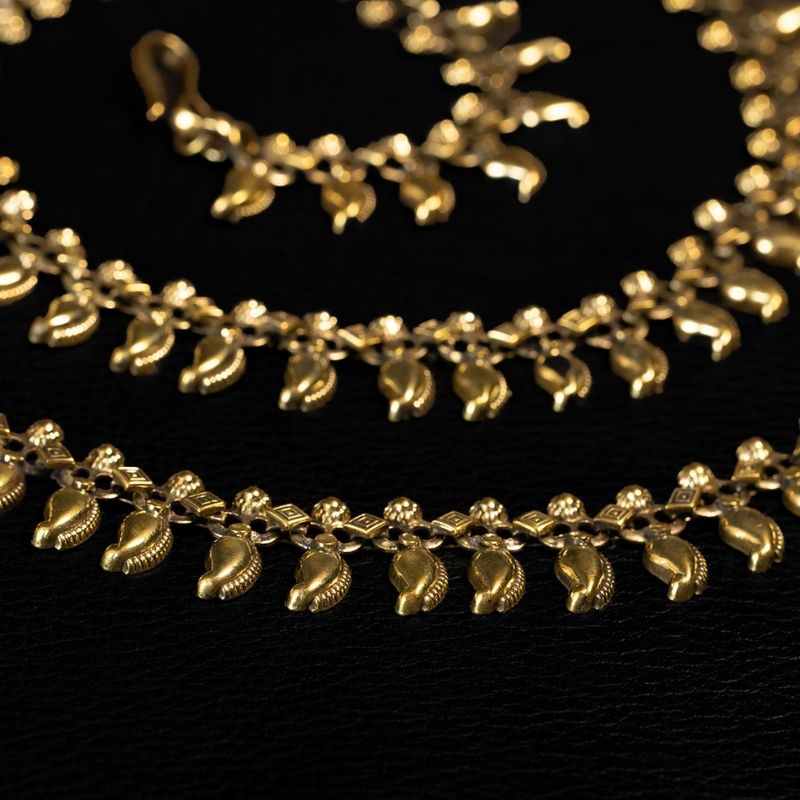
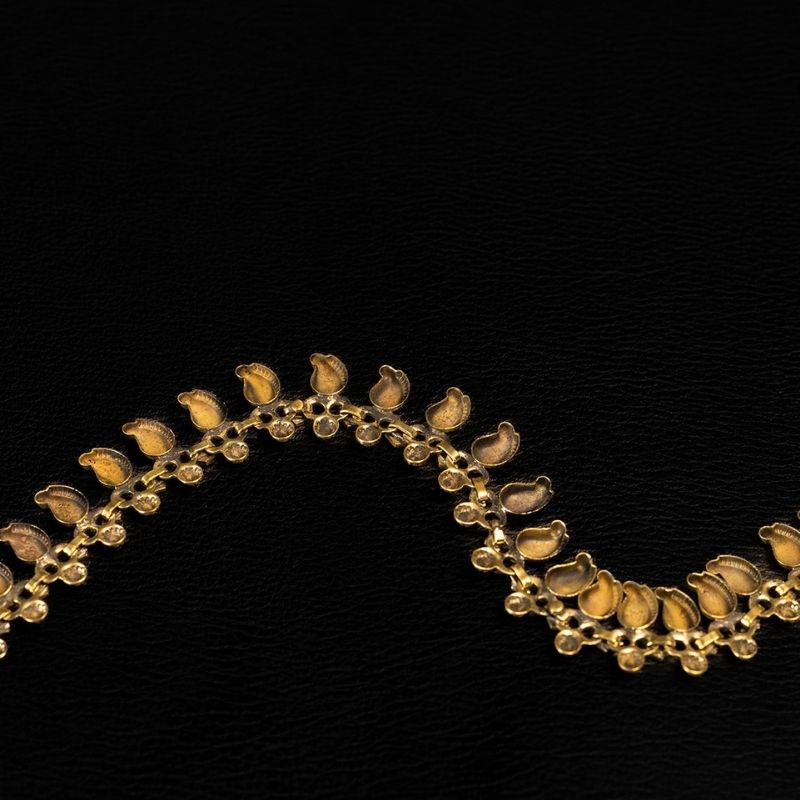
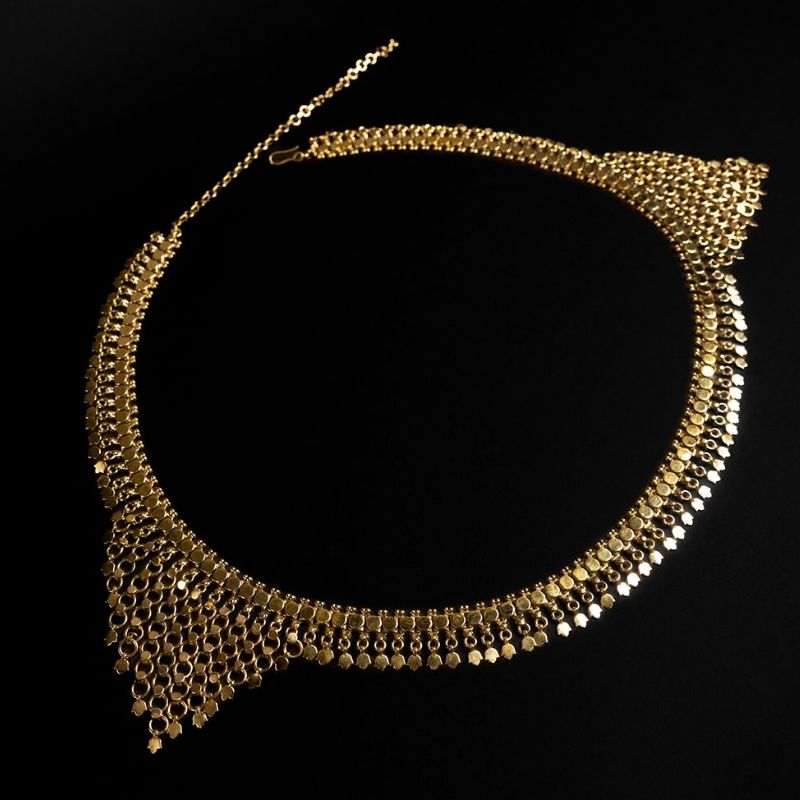
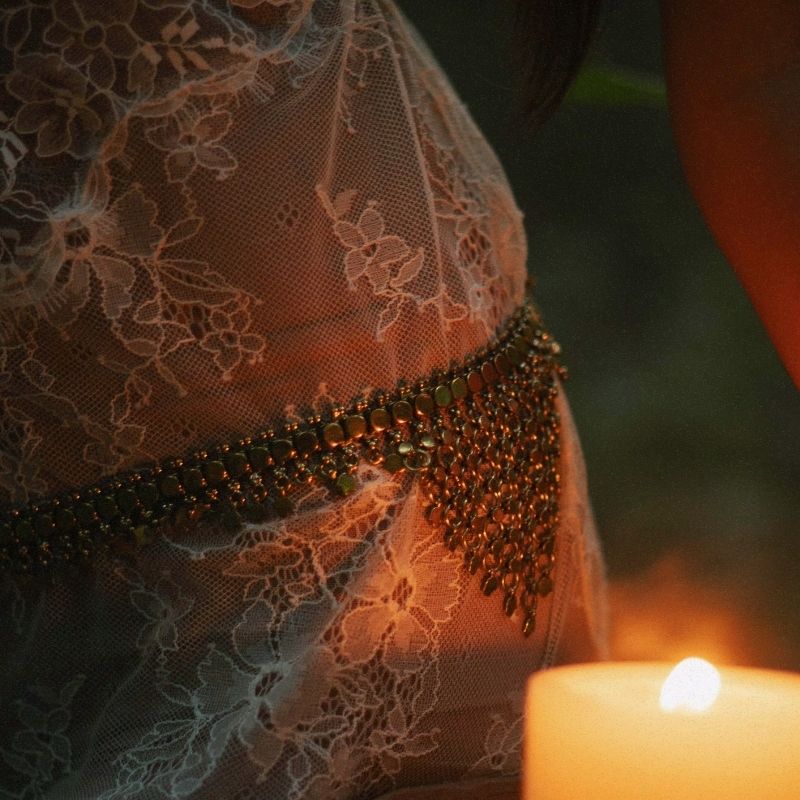
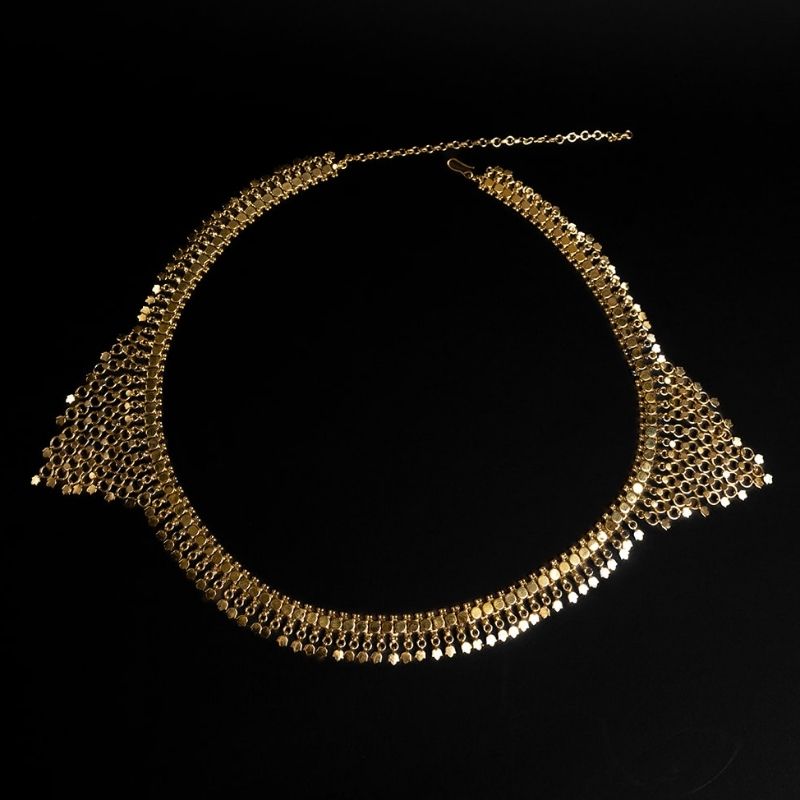
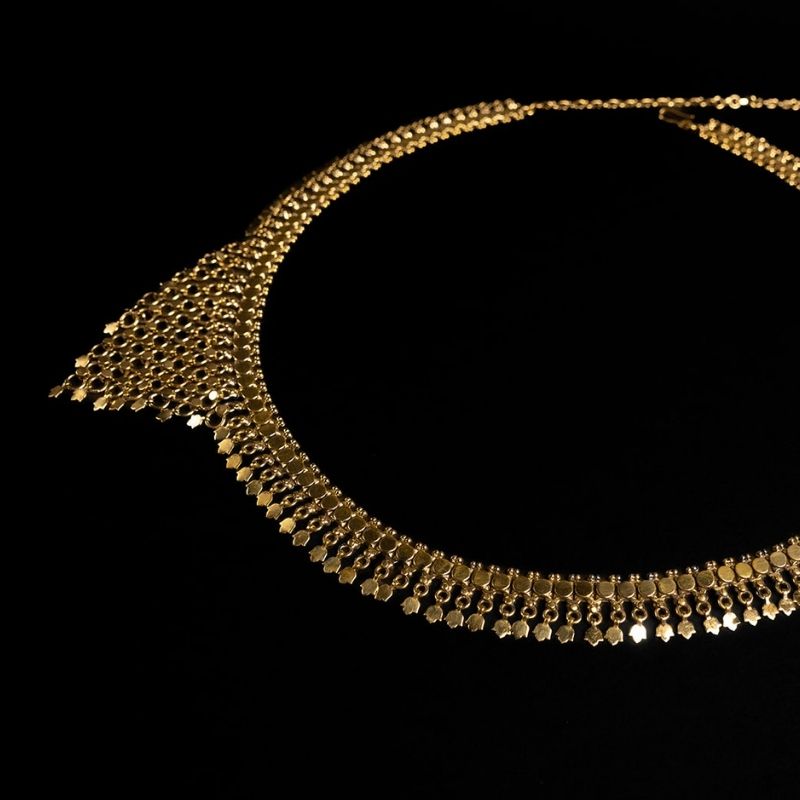



“Jewelry that speaks in the language of movement and shadow.”
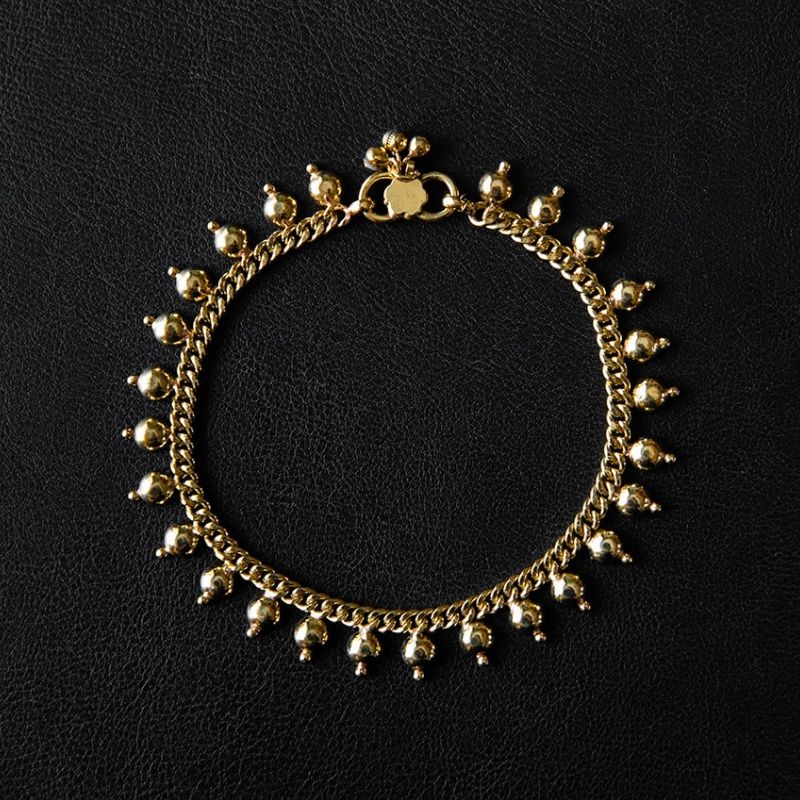
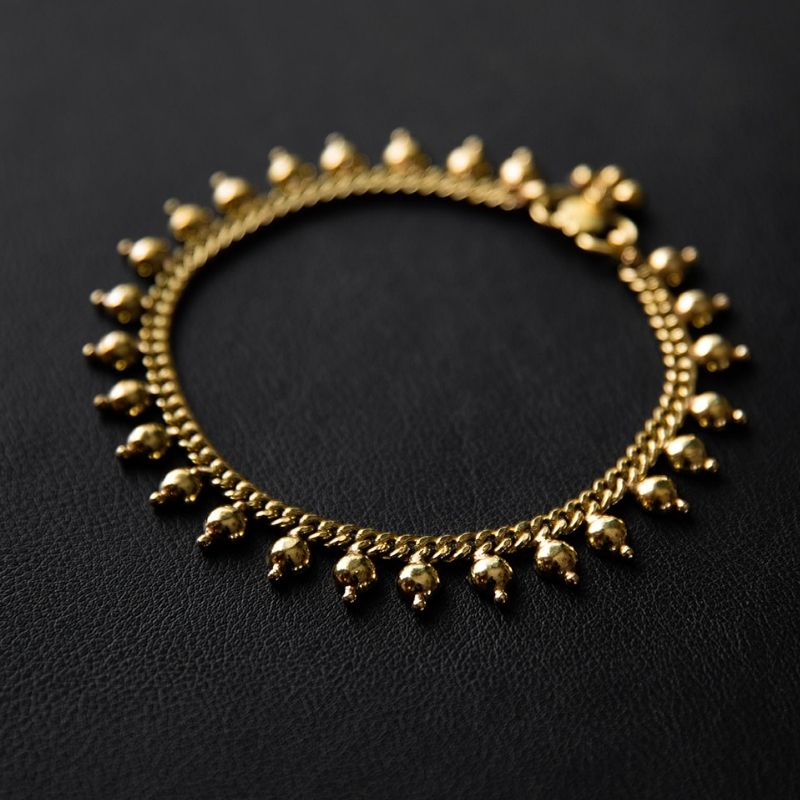
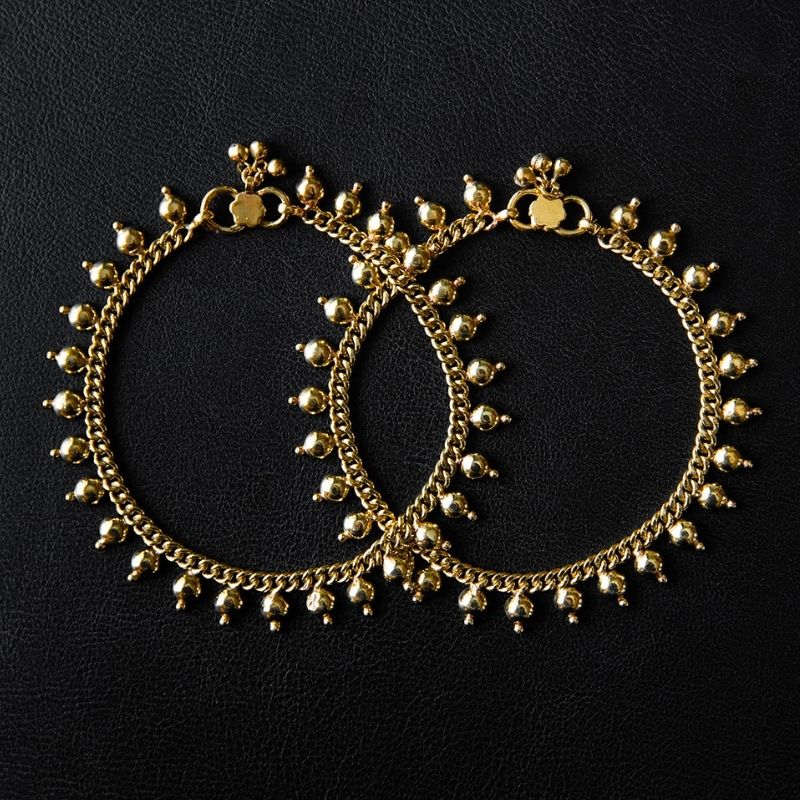
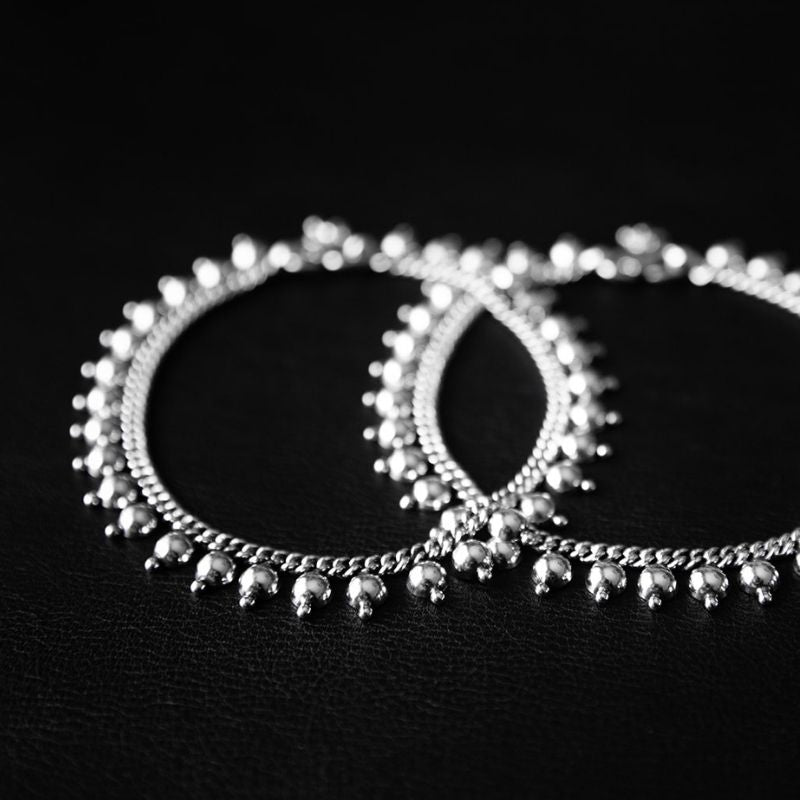
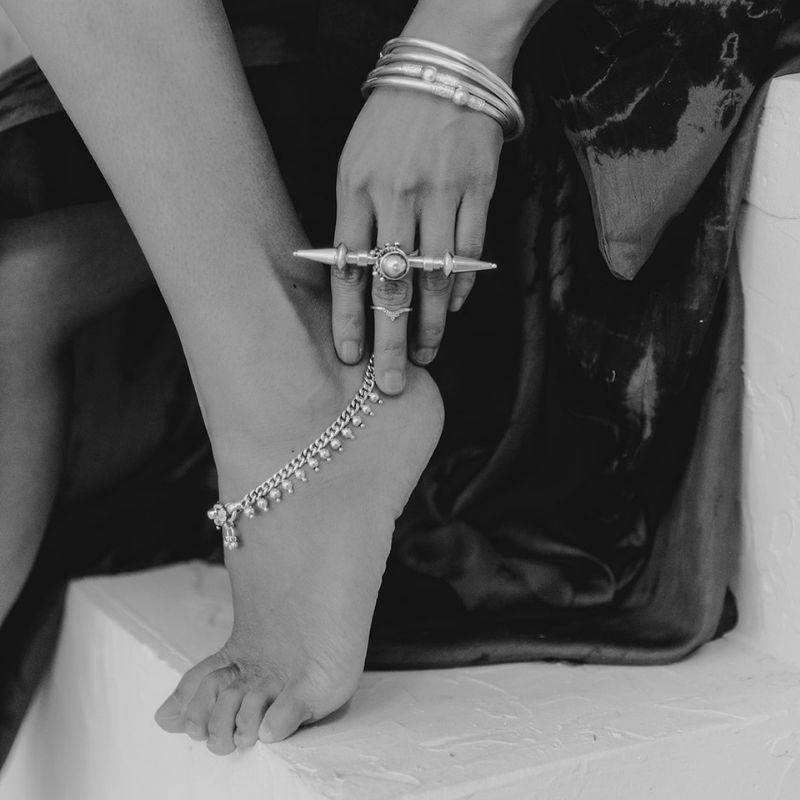
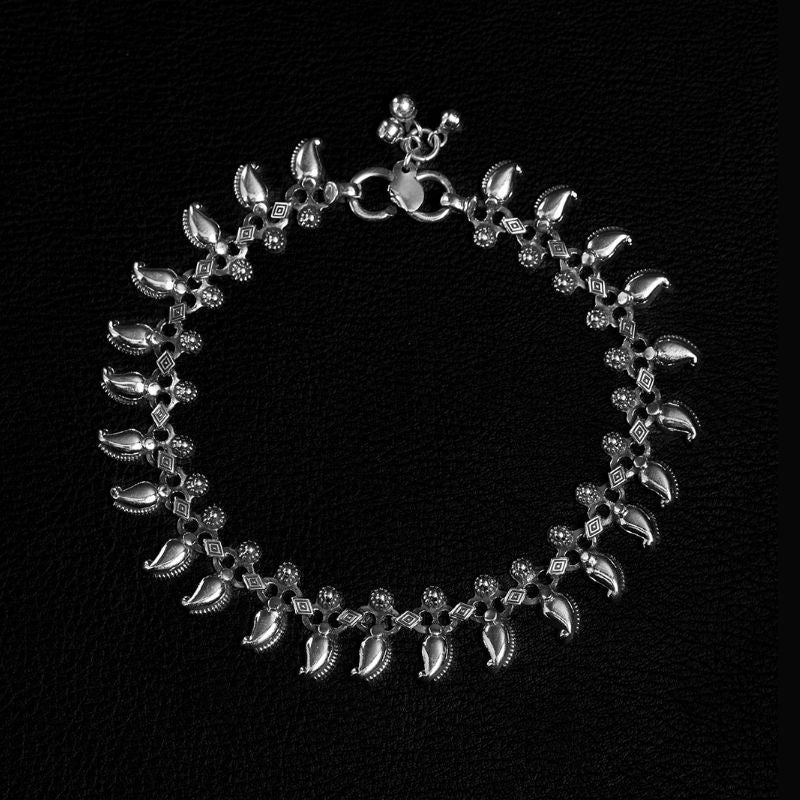
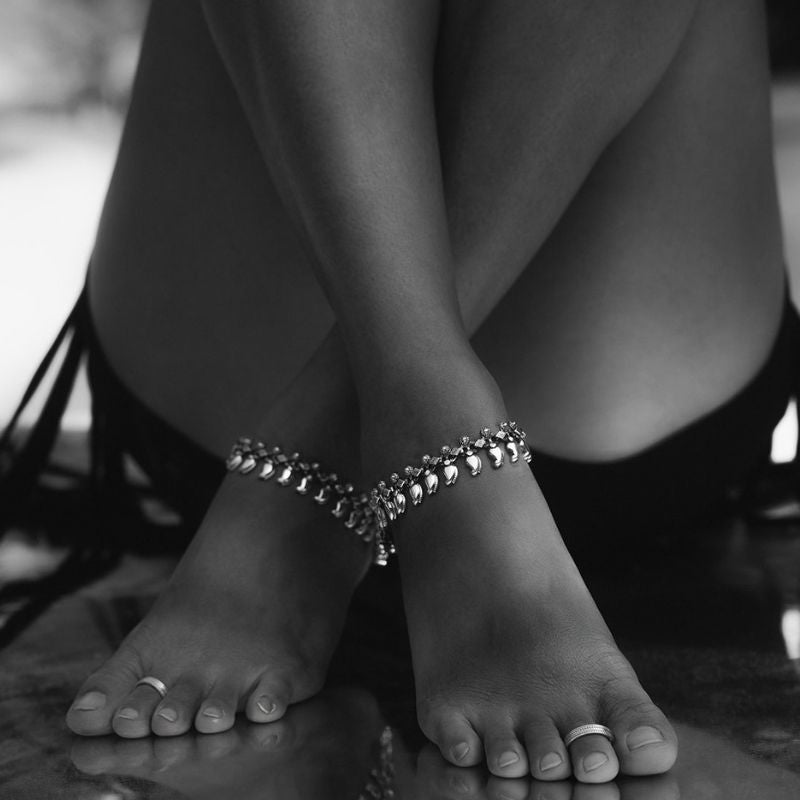
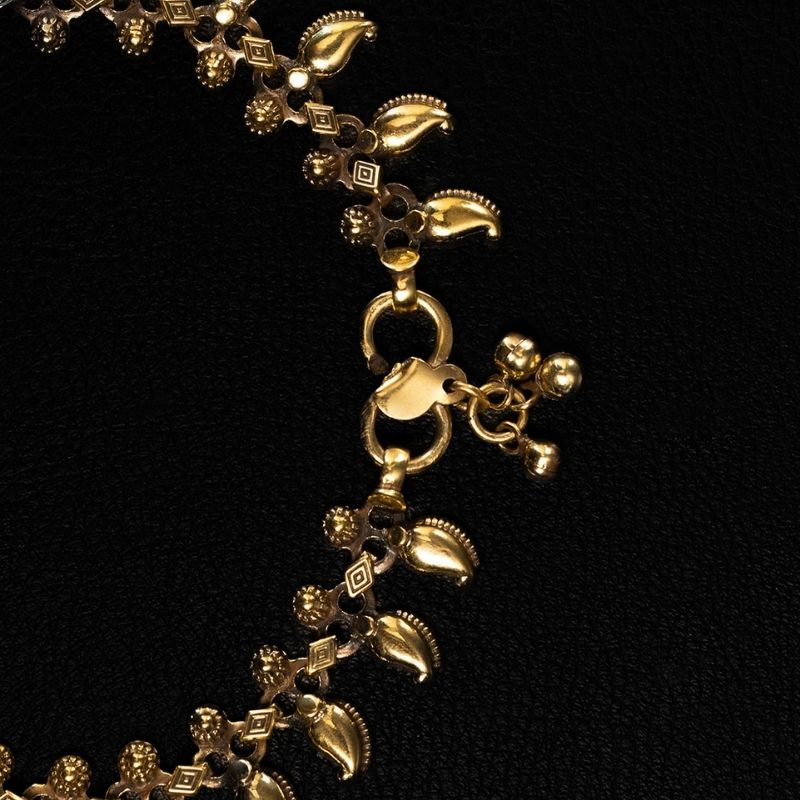
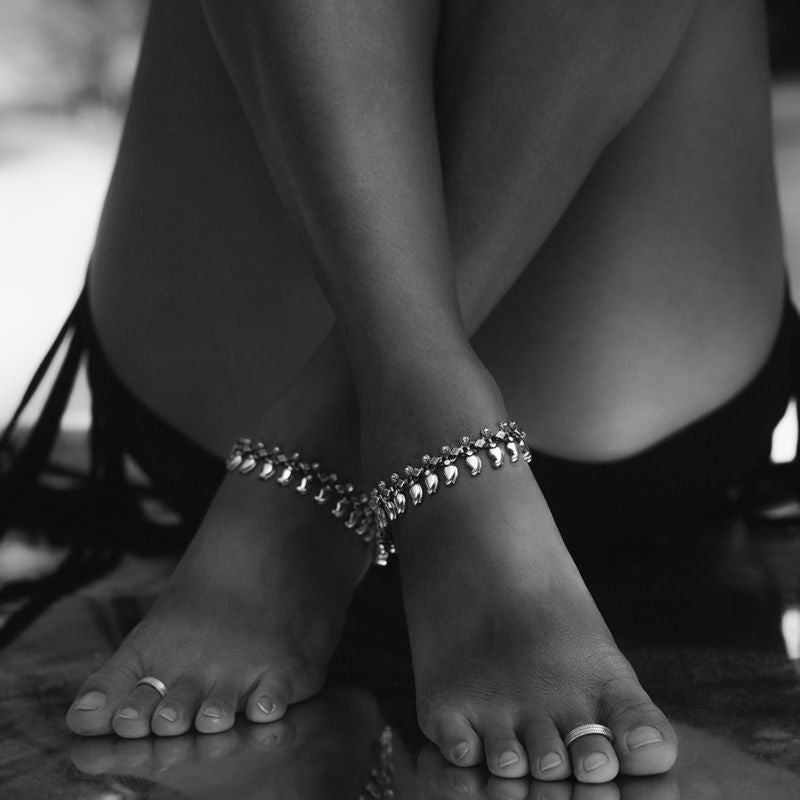
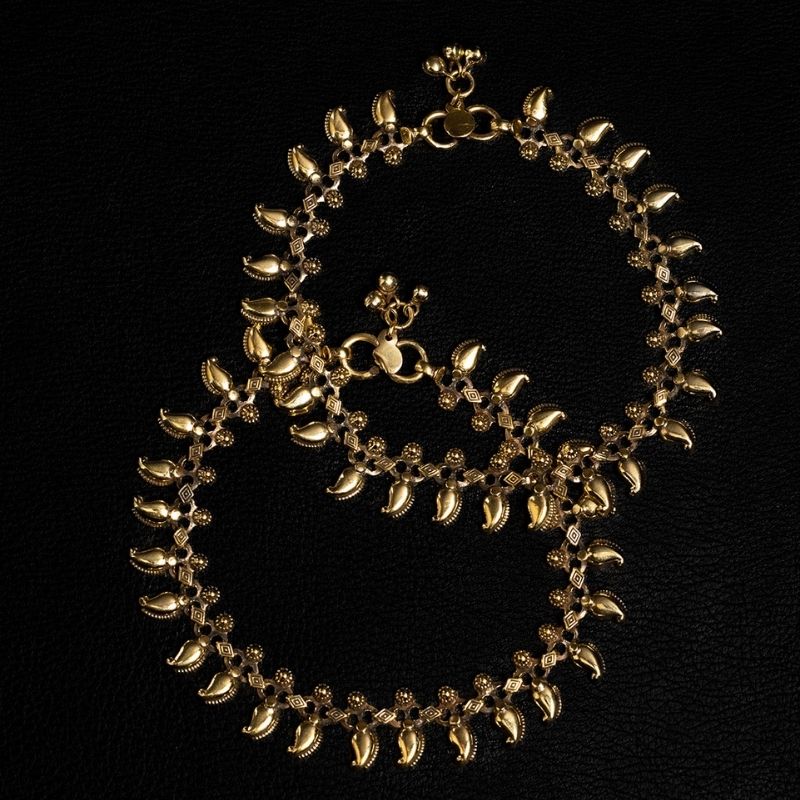
The Noir KĀLA anklet collection revisits one of the oldest forms of body adornment. Across continents and historical periods, the anklet has marked transition, territory, rhythm, and identity. Noir KĀLA approaches this lineage with a sculptural, archaeological aesthetic, treating the ankle as a site where form meets motion. Each piece traces the body’s natural lines—subtle, architectural, or sharply textural.
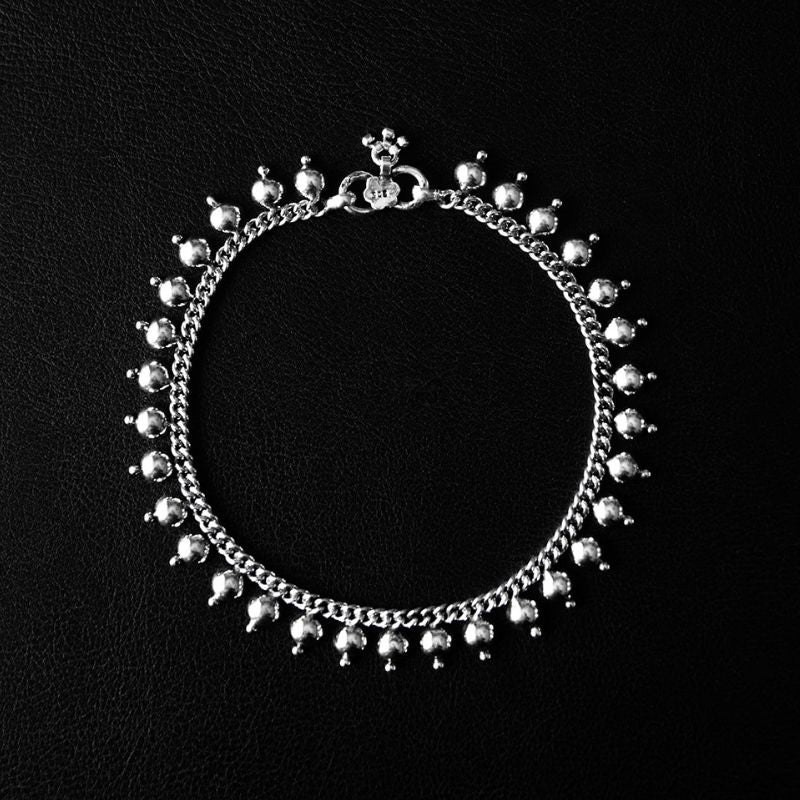
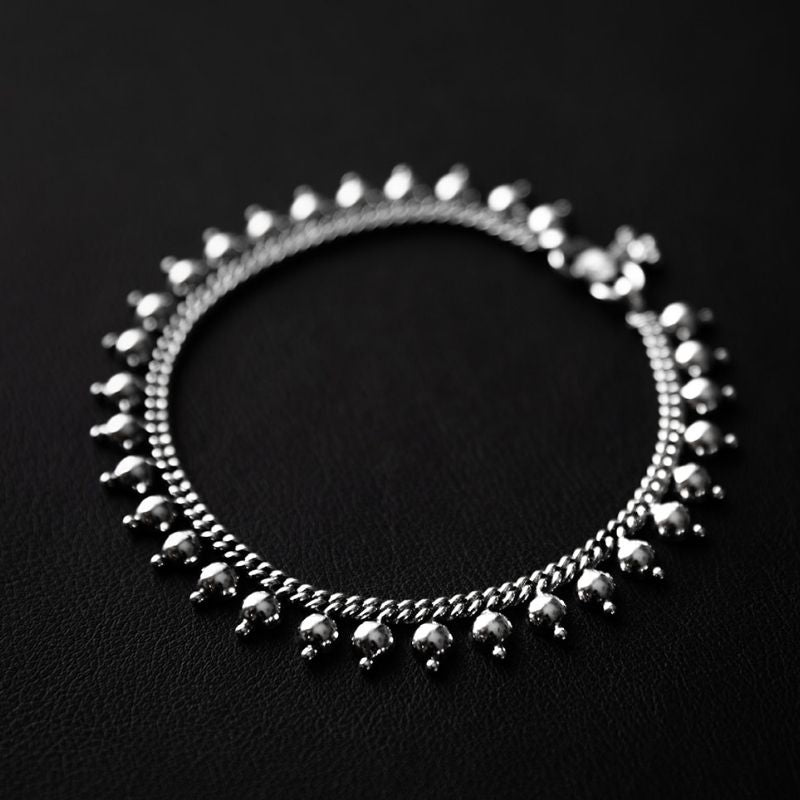
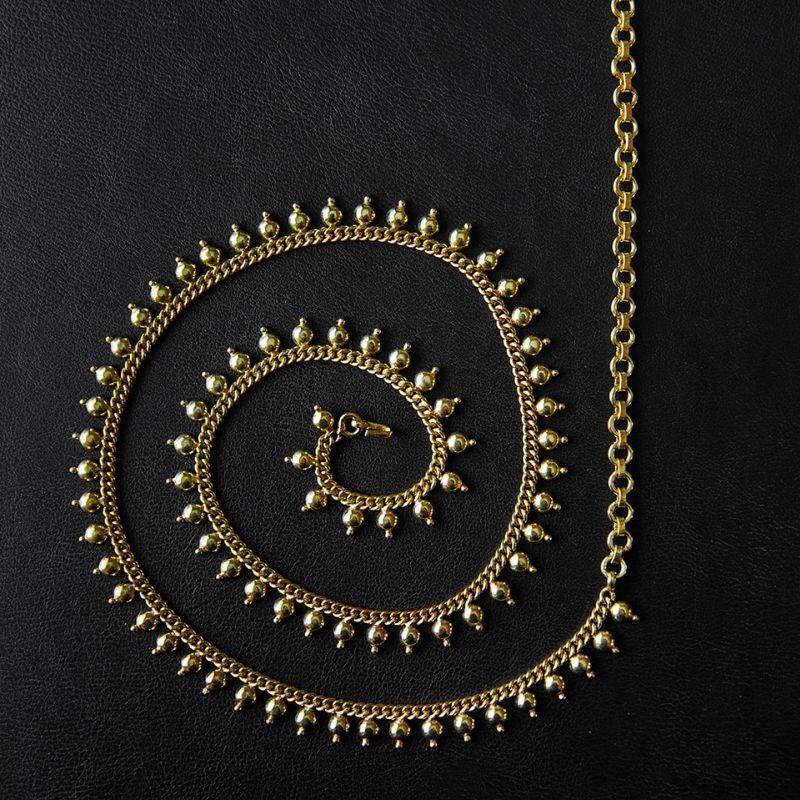
Designed for those who prefer adornment anchored in symbolism and craft, this collection offers a range of pieces, including silver anklets, brass anklets, and sculptural chains that echo traditional foot jewelry found in ritual, dance, and ceremonial attire. Whether chosen for daily wear or as a refined statement piece, these anklets serve as part of a broader aesthetic language that resonates from Montréal to those seeking anklets in Canada with depth, detail, and intention.
3. Symbolism
The ankle as a boundary line
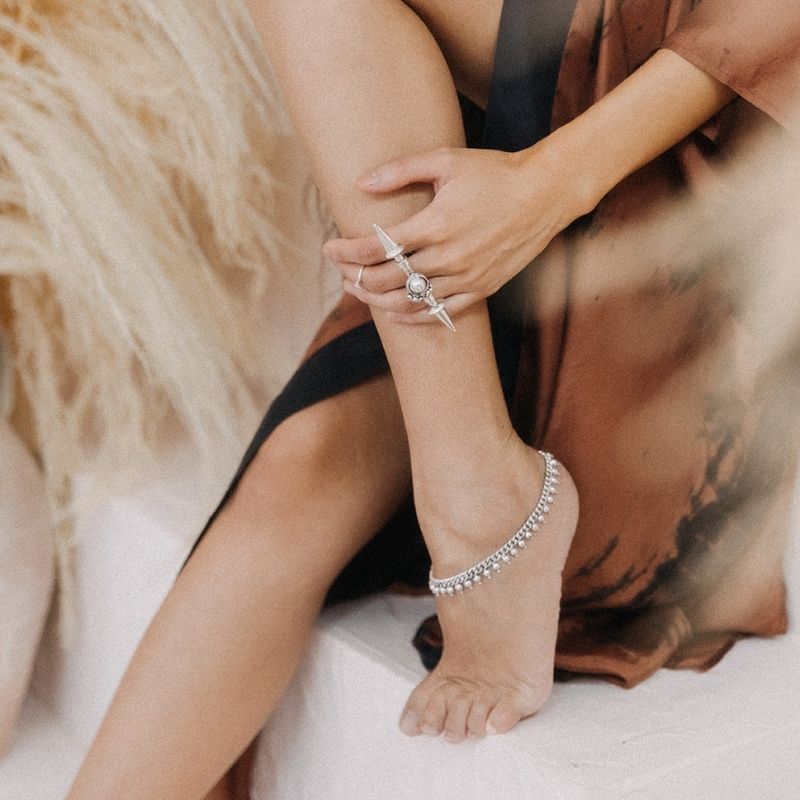
Historically, the ankle marks the threshold between grounded stillness and forward movement. In many cultures, an anklet functioned as a marker of status, artistry, or affiliation, as well as a practical piece used in dance and procession. The placement alone communicates precision: neither ornamental excess nor minimal silence, but a balanced point between the two.
Form, repetition, and cadence
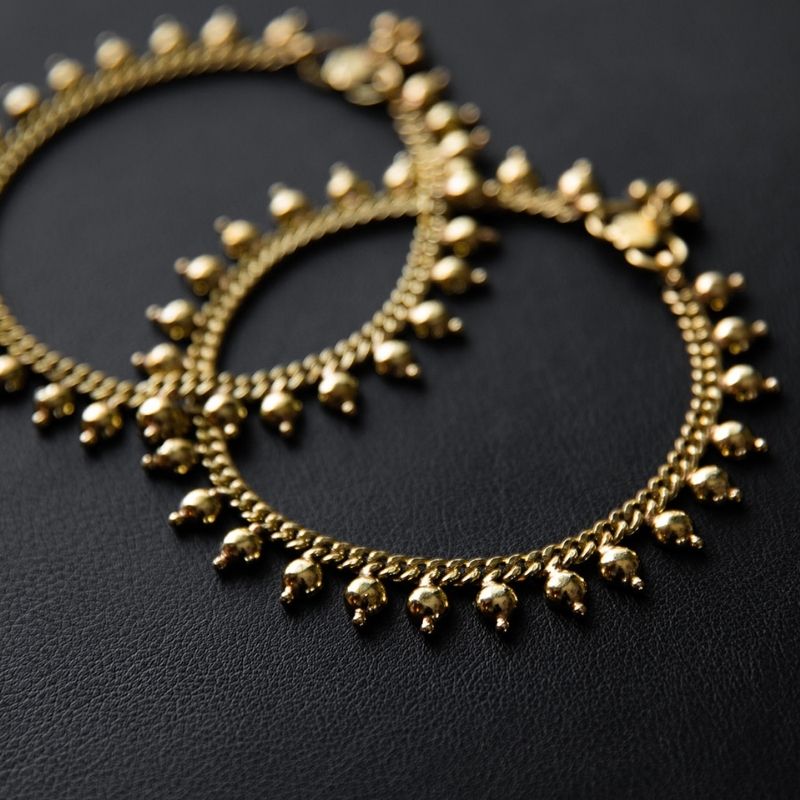
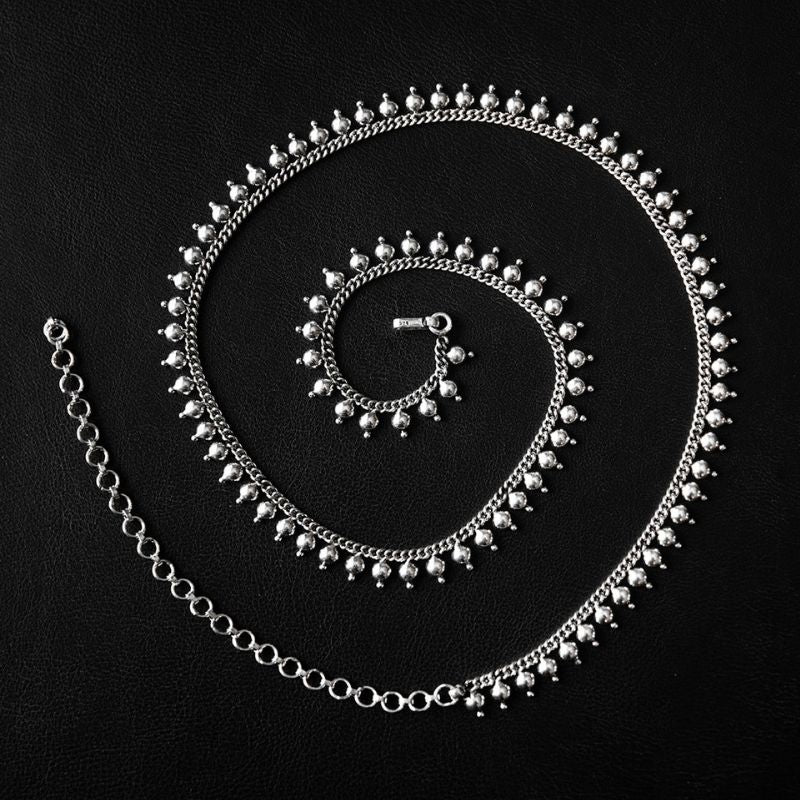
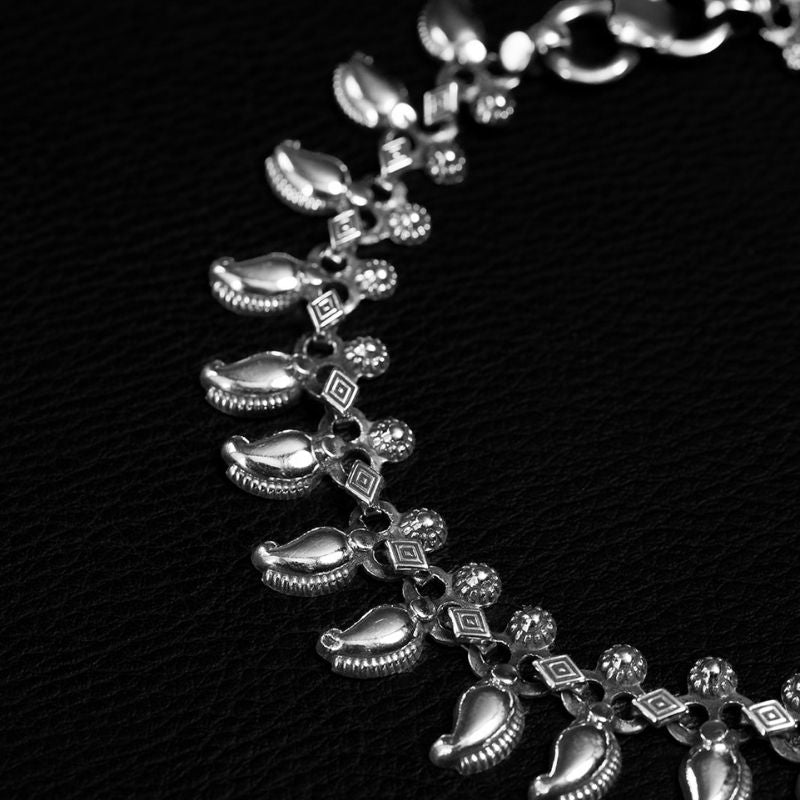
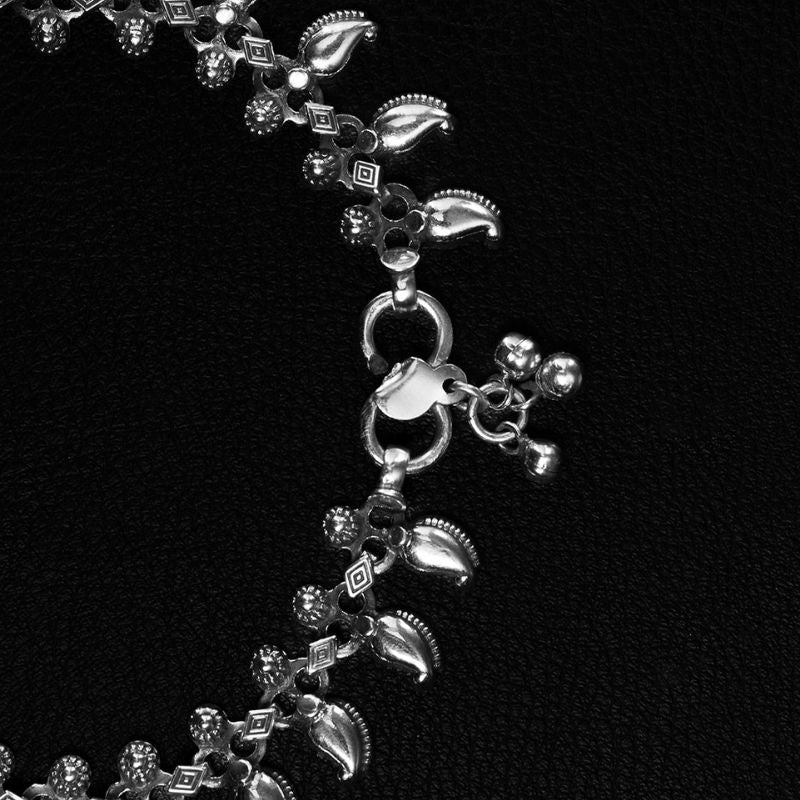
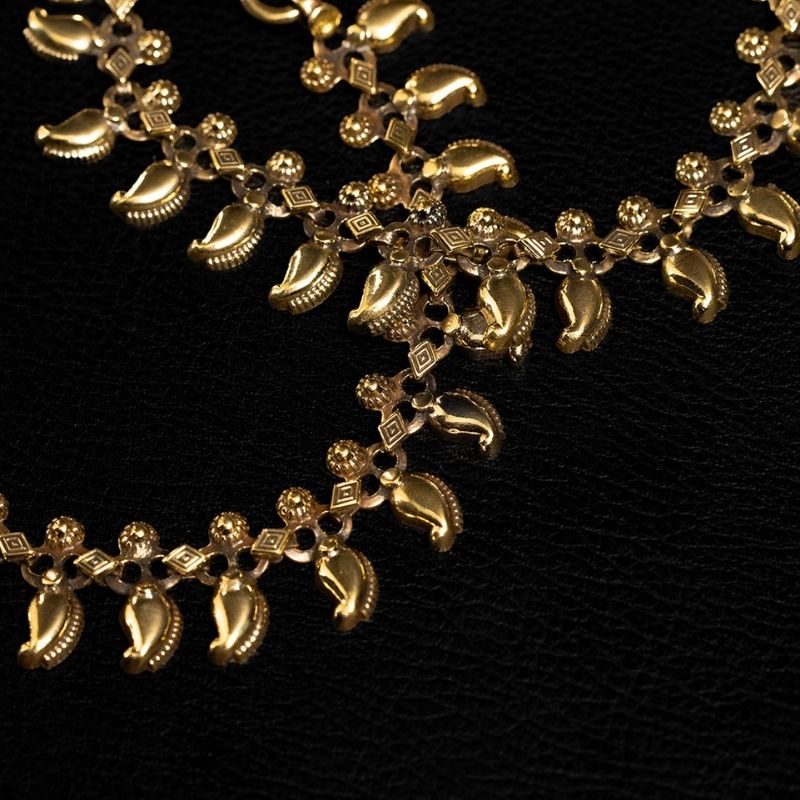
Noir KĀLA anklets echo motifs found in traditional metalwork—rows of granules, spiked silhouettes, and repetitive elements that follow the body’s natural cadence. These motifs reference historic jewelry worn in tribal, desert, and coastal societies, where repetition symbolized continuity, protection, or cycles of craftsmanship.
Raw, sculptural interpretation
Rather than reproducing historic forms literally, Noir KĀLA restructures them in grungy, textured silhouettes. This creates anklets that feel unearthed from forgotten archives—objects shaped by both shadow and light, modern yet deeply rooted.
4. Materials
Noir KĀLA anklets are crafted using metals chosen for durability and symbolic relevance:
-
925 sterling silver: A noble, enduring metal often associated with traditional lunar symbolism; ideal for silver anklets with clean, reflective surfaces.
-
Gold vermeil: A thick layer of gold over sterling silver, offering a warm tone suited to sculptural or ceremonial pieces.
- Brass: Used intentionally for certain designs; its matte, earthy character complements Noir KĀLA’s grungy aesthetic.
Avoided materials include steel, precious stones, diamonds, and custom jewelry fabrication.
Collection Products
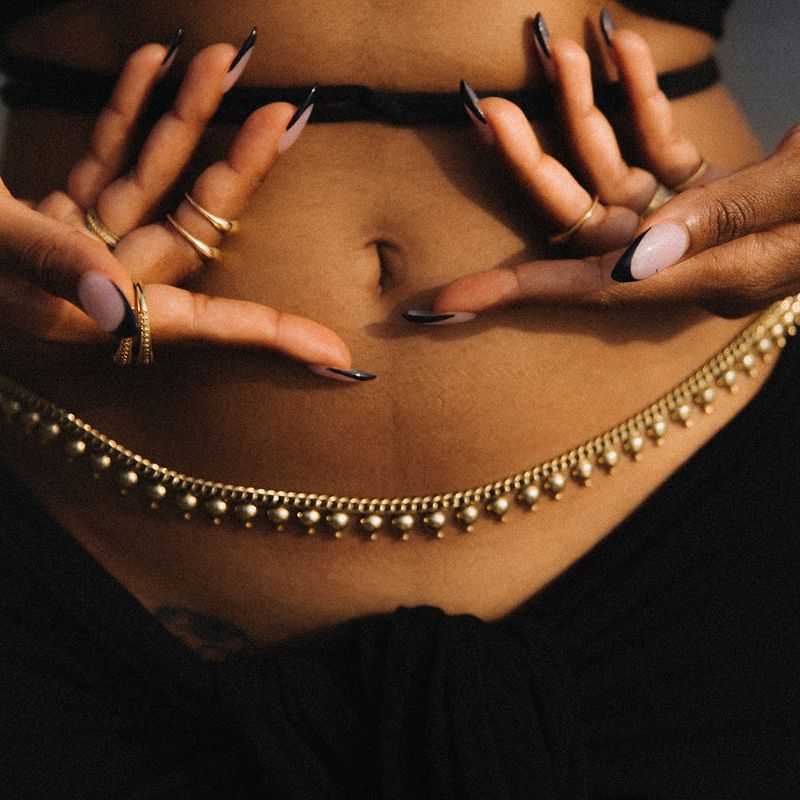
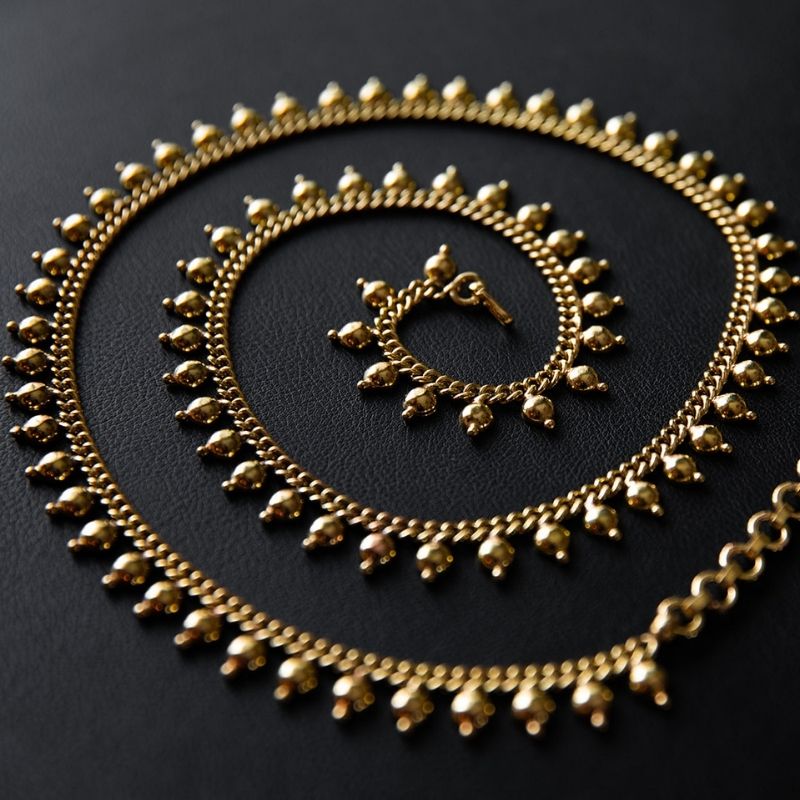
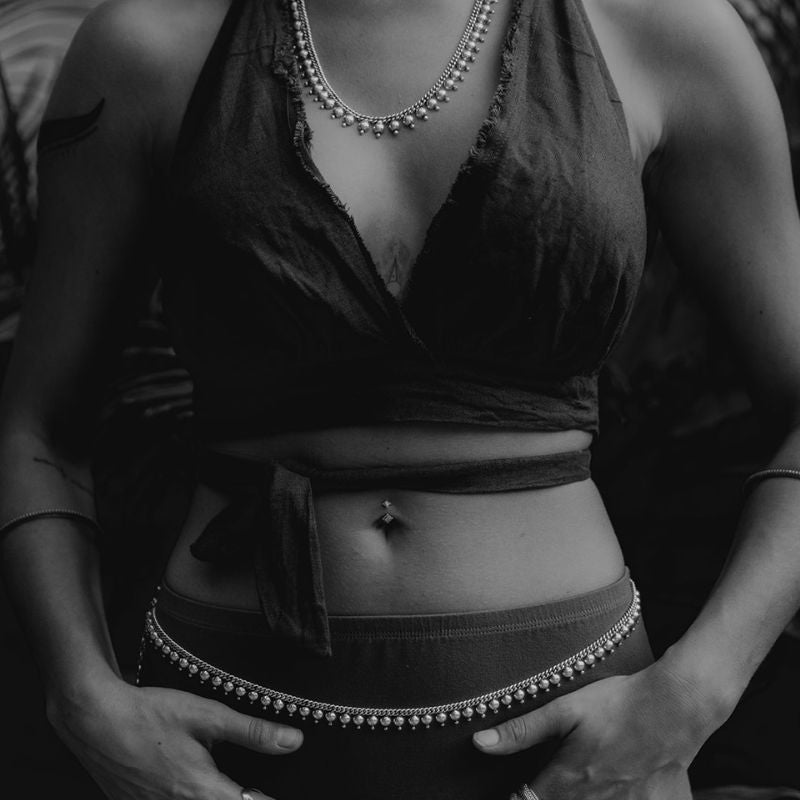
Daughter of the Moon Anklet, Devi Anklet, Dakini Anklet, Sakti Anklet, Cage Anklet, Waist Chains, etc.
How to Wear & Rituals
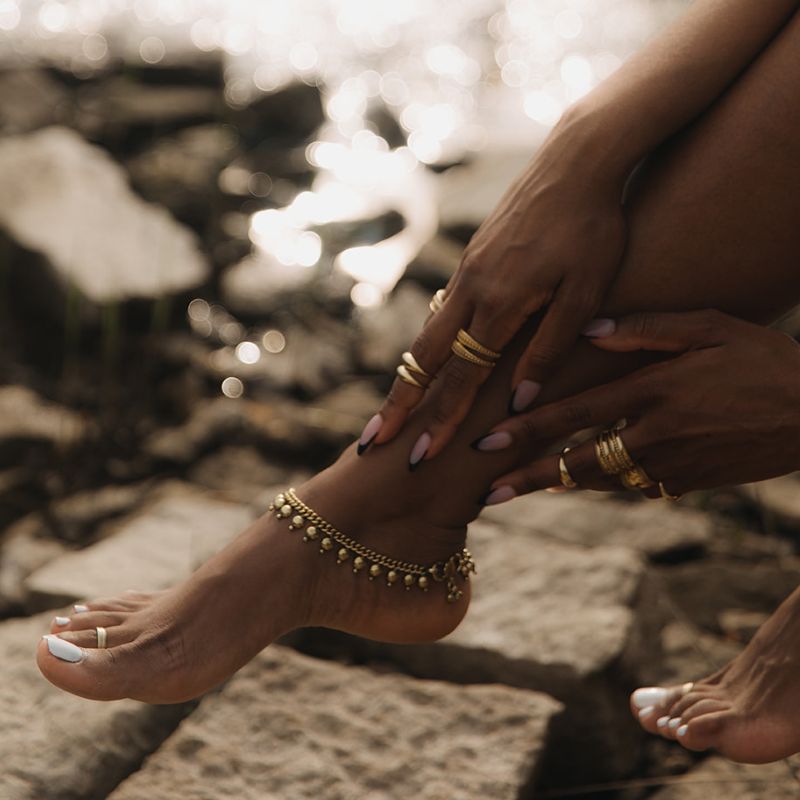
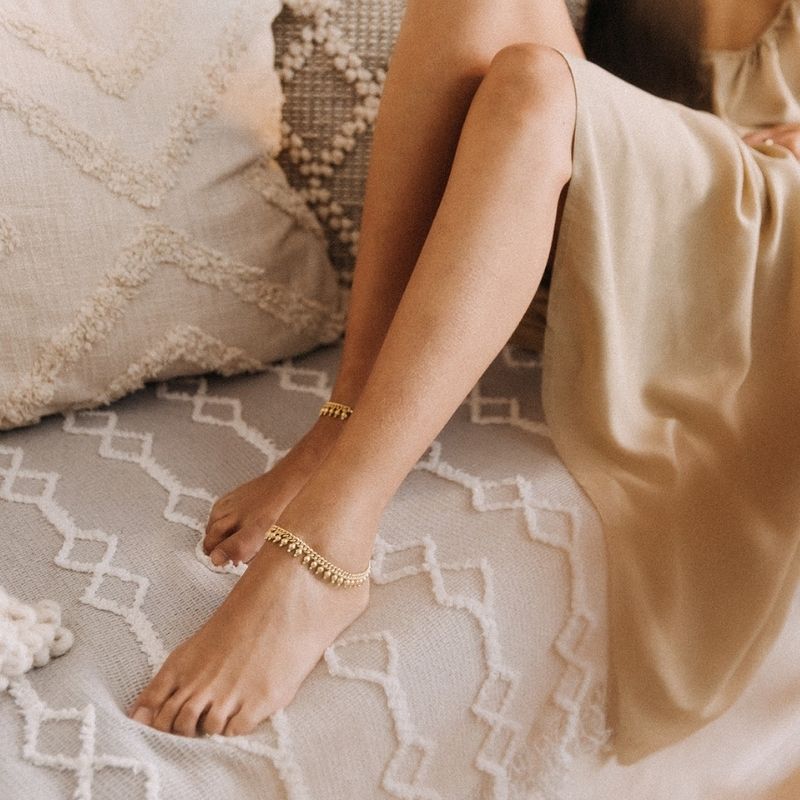
Anklets can be worn alone as a focused sculptural element or layered to build visual rhythm along the foot and leg. Mixing metals—silver with brass or vermeil—creates contrast and depth, especially when paired with clean silhouettes or structured forms. These pieces integrate naturally into yoga jewellery, meditation practices, minimalist ritual dress, and movement-based rituals.
Anklets also complement traditional dance and fusion dancing, where footwork and cadence turn each step into a frame for adornment. Whether worn in studio settings or ceremonial movement, the anklet’s placement highlights motion without requiring symbolic interpretation.
A single anklet can be matched with Noir KĀLA rings, earrings, or waist chains to create a cohesive aesthetic narrative across the body.
Care
-
Clean 925 sterling silver with a soft polishing cloth.
-
For gold vermeil, avoid abrasive products and gently wipe with a microfiber cloth.
-
Keep brass anklets dry and store them separately to maintain their finish.
- Store all pieces in a cool, dry place when not worn.
Finding the right anklet size takes a single measurement. Wrap a soft tape measure or a strip of paper around the ankle where the piece will sit, usually just above the ankle bone, and note that length. Add one to two centimetres for a comfortable drape, or two to three for a looser line. Most designs include an adjustable extender, so anyone between measurements can size up. A silver anklet or brass anklet is sold individually or in pairs; the Noir KĀLA Sizing Chart provides full guidance.
Frequently asked questions
1. Comment choisir la taille de mon bracelet de cheville ?
2. Comment styliser des boucles d’oreilles femme audacieuses avec d’autres bijoux ?
3. Les bracelets de cheville peuvent-ils être portés quotidiennement ou sont-ils réservés aux occasions spéciales ?
Is a 925 sterling silver anklet suitable for daily wear?
How do I layer Noir KĀLA anklets with other pieces?

EXTENDED 1-YEAR WARRANTY
We’re committed to the best. Delight in the benefits of an
extended 1-year warranty.

30-DAYS EXCHANGES
We gladly accept returns for exchanges or gift-card
within a delay of 30 days.

WORLDWIDE FREE SHIPPINGS
Orders over $200 qualify for free shipping!
